Chapter 1 of 8
Intro
In a world that often feels obsessed with algorithms, with efficiency metrics, and with the latest technological advancements, we sometimes forget something fundamental.
What if the true secret to lasting success, to building something truly enduring, wasn't just about the tech itself? What if it was about a deeply human way of operating, a philosophy that put people and trust at its very core?
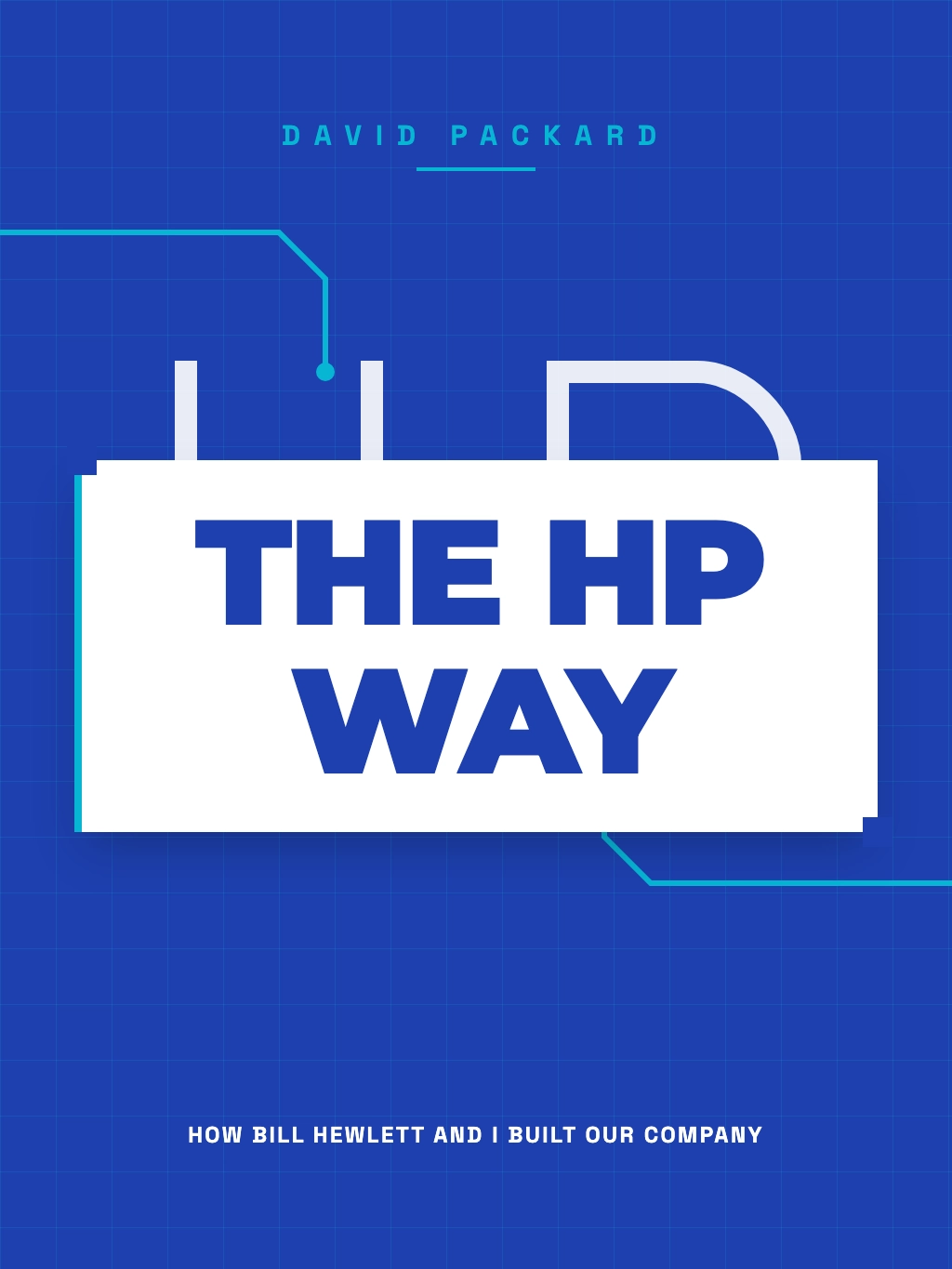
Today, we're going to explore a pioneering philosophy, one that was born from a humble garage, but went on to create a culture that reshaped an entire industry. We're diving into 'The Human Blueprint: Timeless Lessons from The HP Way' by David Packard.
This isn't just a historical account of a company; it's a profound look at how human-centric values can build resilient, innovative, and purpose-driven organizations.
It's about the enduring power of trust, of respect, and of a shared vision that goes beyond just the bottom line. The book itself is a testament to the principles that David Packard, alongside Bill Hewlett, instilled at Hewlett-Packard.
These weren't just abstract ideals; they were practical, lived values that guided every decision, from hiring to product development. David Packard, the author, was one of the co-founders of HP.
He was a visionary engineer and a pragmatic leader who believed deeply in the potential of people. This book exists because he wanted to articulate the management philosophy that made HP so successful.
Chapter 2 of 8
He saw that what they had built was unique, and he wanted to share those lessons with future generations of leaders. It's a reflection on decades of experience, of trial and error, and of unwavering commitment to a certain way of doing business.
Packard understood that a company's greatest asset isn't its technology or its patents, but its people. And how you treat those people, how you empower them, ultimately determines your long-term success.
One of the core ideas that emerges immediately from 'The HP Way' is what we might call 'The Power of Presence, Not Just Policy'. This concept suggests that true leadership isn't about issuing directives from an ivory tower.
It's about being genuinely present, about listening, and about fostering connection and trust with your team on the ground. What does this really mean in practice? It means a leader isn't just a name on an organizational chart or an email address.
It means they are a visible, approachable figure who understands the day-to-day realities of their employees. This matters immensely because it builds a foundation of trust that no amount of formal policy can replicate.
When employees feel seen and heard, they are more engaged, more loyal, and more willing to go the extra mile. Think about a manager who regularly walks through the office or the factory floor. They're not just there to inspect or to find fault.
They're there to chat, to listen to concerns, to offer quick help, and to build rapport. This creates a stark contrast with a leader who only communicates via email or through scheduled, formal reviews.
Chapter 3 of 8
The latter approach often creates distance, making employees feel 'managed' rather than truly led. It's like a gardener tending to individual plants, noticing their specific needs up close.
They don't just water the entire field from a distance and hope for the best. They get their hands dirty, they observe, and they respond to what they see.
This human touch is vital, especially in today's world where remote work can sometimes make genuine connection harder to forge. It's a reminder that leadership is fundamentally about human relationships.
Building on this idea of presence, the book then delves into 'The Freedom to Flourish'. This is about empowering people with autonomy and genuinely trusting their judgment.
When you do this, you unlock their creativity, their commitment, and a profound sense of ownership. And this, in turn, leads to more innovative solutions and a more dynamic workplace. The tension here, of course, is the inherent fear of losing control.
Many leaders feel the urge to micromanage, believing that only top-down decisions are truly efficient. But this approach often stifles initiative, breeds resentment, and severely limits potential breakthroughs.
Consider an engineering team, for example, given a challenging problem. If they're given the freedom to explore different solutions, even if some initial attempts fail, they thrive.
Chapter 4 of 8
This is very different from being handed a rigid, step-by-step instruction manual. That kind of environment, where autonomy is valued, often leads to unexpected, groundbreaking innovations.
These are the kinds of ideas that simply wouldn't emerge under tight, restrictive control. Think of a jazz ensemble, where each musician has the freedom to improvise within a shared structure.
This leads to a richer, more dynamic, and often surprising performance. It's far more engaging than if they were all playing from a rigid, identical score. Packard understood that giving people space to make mistakes and learn is crucial for growth.
It's about trusting their intelligence and their commitment to the shared goal. This trust isn't just a nice-to-have; it's a strategic advantage. Another profound insight from 'The HP Way' is the idea of 'Beyond the Bottom Line: Profit as a Catalyst'.
This means viewing profit not just as an end goal for shareholders, but as a vital resource. A resource to be reinvested in people, in innovation, and in the community.
This creates a sustainable cycle of growth, meaning, and long-term resilience for the company. The tension here is the relentless pressure for short-term quarterly gains.
This pressure often comes at the expense of long-term investment in employees, in cutting-edge research, or in ethical practices. And over time, this can severely erode a company's foundation.
Chapter 5 of 8
Imagine a company that chooses to invest a significant portion of its profits into advanced employee training. Or perhaps into generous benefits, or even speculative R&D that might not pay off immediately.
This is a choice to prioritize long-term health over maximizing immediate shareholder dividends. This approach cultivates a more skilled, more loyal workforce. It often leads to groundbreaking products years down the line, ultimately securing future success.
It's like a healthy forest ecosystem. The rich soil, which represents profit, nourishes the trees, which are the employees and innovation. These trees, in turn, provide oxygen and resources, like products and community benefit, for continued growth.
This is far more sustainable than clear-cutting for immediate timber sales, which depletes the land. Packard saw profit as a means to an end, not the end itself.
It was the fuel that allowed them to do great things, to innovate, and to take care of their people. This leads us naturally to another key aspect of 'The HP Way': the practice of Management By Walking Around, or MBWA.
This wasn't just a catchy acronym; it was a fundamental part of their leadership style. It's a practical application of that 'Power of Presence' we talked about earlier.
The purpose of MBWA was to encourage informal information gathering and to break down hierarchical barriers. Packard and Hewlett themselves would regularly walk through the labs and offices, chatting with engineers and employees.
Chapter 6 of 8
They weren't there to dictate, but to listen, to ask questions, and to understand what was really happening on the front lines. This matters because it fosters transparency and enables quick problem-solving.
Issues could be identified and addressed much faster when leaders were directly connected to the work. It also built an incredible sense of belonging and shared purpose.
Employees felt valued when the founders themselves took the time to engage with them personally. It's a powerful antidote to the isolation that can sometimes creep into large organizations.
And this connection, this sense of being part of something bigger, brings us to another vital element: Shared Goals and Contribution to Society. HP wasn't just about making money; it was about making a meaningful contribution.
Packard believed that a company should exist not just for its shareholders, but for its employees, its customers, and the wider community.
This sense of contributing something meaningful, of working on projects that advanced technology and improved lives, was a huge motivator. It went beyond just a paycheck; it tapped into a deeper human need for purpose.
This matters because it fuels employee motivation, enhances the company's reputation, and ensures long-term relevance. HP's early contributions to electronic measurement and computing, for instance, weren't just commercial successes.
Chapter 7 of 8
They were foundational advancements that benefited countless industries and scientific endeavors. It's a lesson that many modern companies are now rediscovering: that purpose beyond profit is essential for attracting and retaining talent.
So, how do all these ideas connect together? They form a cohesive philosophy where trust is the bedrock. Presence builds trust, which enables freedom, which in turn fosters innovation.
And profit, rather than being hoarded, is reinvested to strengthen this entire virtuous cycle. It's a holistic approach to management that sees the organization as a living system, not just a machine.
What makes 'The HP Way' truly different is its unwavering commitment to these human values, even when it might have seemed easier or more profitable to cut corners. It wasn't just a set of rules; it was a culture, a way of being.
It prioritized long-term vision and the well-being of its people over short-term gains. And this distinction is crucial, especially in an era where many companies struggle with employee engagement and ethical dilemmas.
So, why does this matter in real life, right now? Because the lessons from 'The HP Way' are timeless. They offer a blueprint for leaders and teams navigating today's complex landscape.
Whether you're leading a startup, a large corporation, or even a small team, these principles apply.
Chapter 8 of 8
They remind us that the most powerful and lasting enterprises are built not just with circuits and code, but with human connection, trust, and a shared sense of purpose.
It's a blueprint for building something truly enduring, a legacy that transcends quarterly reports and technological fads. It encourages us to look beyond the immediate, to invest in our people, and to foster an environment where everyone can truly flourish.
Outro
The HP Way reminds us that at the heart of every successful organization are the people who make it run. And how we lead them, how we trust them, and how we empower them, ultimately defines our success.